
Pinellas County
HEALTH AND HUMAN SERVICES
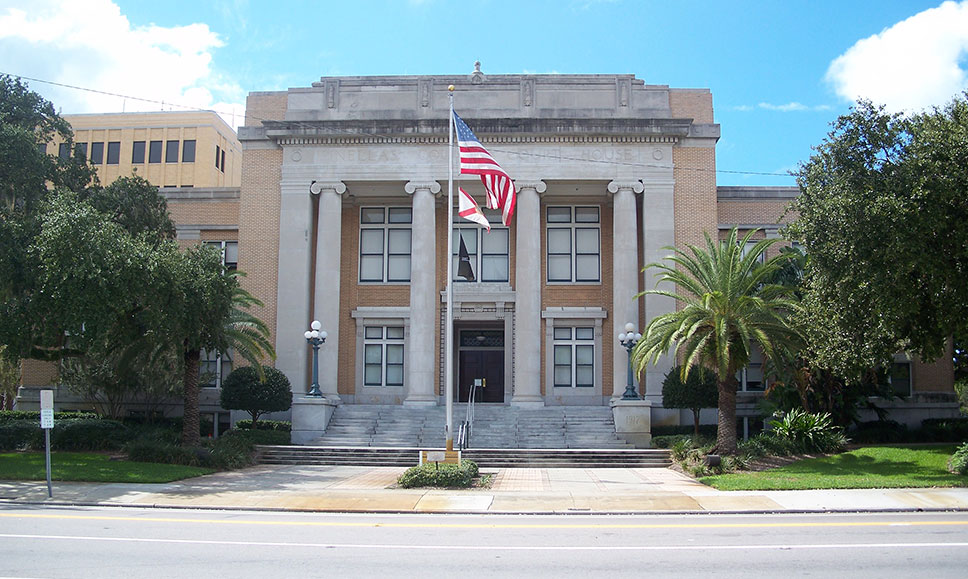 Pinellas County Health & Human Services
Shelter & Housing Emergency Needs: Dial 2-1-1 Tampa Bay Cares or text zip code to 898211
Crisis & Suicide Intervention: Dial 9-8-8
Mental Health Hotline: Dial 727-791-3131
Florida Abuse Hotline: Dial 1-800-962-2873
The Office of the Public Defender, Sixth Judicial Circuit, has compiled these resources to serve as general information. We do not guarantee that any service on this page is current or up to date. This list does not indicate an endorsement of any kind, and it does not represent all available community resources. Moreover, inclusion on this list does not indicate any type of relationship of any kind between the Public Defender and the service provider. Please contact the service provider directly to learn more about available services.
Local Shelters
Pinellas Safe Harbor
14840 49th Street North
Clearwater, FL 33760
(727) 464-8058
Pinellas Hope, Catholic Charities
5726 126th Avenue North
Clearwater, FL 33760
(727) 556-6397
St. Vincent De Paul- C.A.R.E. Center
401 15th Street North
St. Petersburg, FL 33713
(727) 896-3300
Salvation Army Emergency Shelter
310 14th Avenue South
St. Petersburg, FL 33713
(727) 230-1578
Homeless Empowerment Program (HEP)
1120 North Betty Lane
Clearwater, FL 33760
(727) 442-9041
Family Resources SafePlace2B
1615 Union St.
Clearwater, FL 33755
(727) 298-1607
WestCare Gulf Coast–A Turning Point
1801 5th Ave.
St. Petersburg, Fl 33713
(727) 823-7811
Transitional, Supportive, & Permanent Housing
Boley Centers
445 31st St. N.
St. Petersburg, FL 33713
(855) 552-6539
Hope Villages
Clearwater, FL
(727) 584-3528
Pinellas Hope, Catholic Charities
5726 126th Avenue North
Clearwater, FL 33760
(727) 556-6397
Salvation Army—Hope Crest Transitional Living Center
1521 E. Druid Rd.
Clearwater, FL 33756
(727) 446-4177
St. Petersburg Free Clinic’s Beacon House for Men
3835 28th Street North
St. Petersburg, FL 33714
(727) 823-5780
St. Petersburg Free Clinic’s Baldwin Women’s Residence
401 15th Street North
St. Petersburg, FL 33713
(727) 896-3300
Society of St. Vincent de Paul Center of Hope
401 15th Street North
St. Petersburg, FL 33713
(727) 896-3300
WestCare-Mustard Seed Inn
2501 Central Ave.
St. Petersburg, FL 33713
(727) 490-6769
Mental Health Services
NAMI Pinellas County
13830 58th Street North, Suite 413
Clearwater, FL 33760
(727) 791-3434
Text NAMI to 741-741 or email helpline@nami-pinellas-fl.org for free, 24/7 support from a trained crisis counselor.
Directions For Living
1437 S. Belcher Road, Clearwater, FL 33764
8823 115th Ave. N, Largo, FL 33773
(727) 524-4464
Personal Enrichment Through Mental Health Services (PEMHS)
11254 58th St. N
Pinellas Park, FL 33782
(727) 545-6477
(727) 791-3131 24-Hour Suicide Hotline
(727) 541-4628 24-Hour Mental Health Assistance
(727) 362-4424 Mobile Crisis Response Team
Suncoast Centers
4050 Central Ave.
St. Petersburg, FL 33711 (Multiple Locations)
(727) 388-1220
Vincent House
4801 78th Ave. N.
Pinellas Park, FL 33781
(727) 541-0321
Domestic Violence
Hope Villages, The Haven
Clearwater, FL 33756
(727) 442-4128 24-Hour Crisis Hotline
Community Action Stops Abuse (CASA)
1011 1st Avenue North
St. Petersburg, FL
(727) 895-4912
Substance Abuse Services
NAMI Pinellas County
8800 49th Street North #302
Pinellas Park, FL 33782
(727) 791-3434
Text NAMI to 741-741 or email helpline@nami-pinellas-fl.org for free, 24/7 support from a trained crisis counselor.
Operation PAR
6656 66th Street North
Largo, FL 33771
(888) 727-6398
Solutions Behavioral Healthcare Consultants
13191 Starkey Road
STE 14
Largo, FL 33773
(727) 586-6942
Pinellas Ex-Offender Re-Entry Coalition (PERC)
12810 U.S. Highway 19 North
Clearwater, FL 33764
(855) 505-7372
WestCare Gulf Coast-Turning Point
1801 5th Ave.
St. Petersburg, FL 33713
(727) 823-7811
Re-Entry
Pinellas Ex-Offender Re-Entry Coalition (PERC)
12810 U.S. Highway 19 North
Clearwater, FL 33764
(855) 505-7372
Legal Assistance
Community Law Program
501 1st Avenue North, STE 519
St. Petersburg, FL 33701
(727) 582-7480
Bay Area Legal Services
800 Drew Street
Clearwater, FL 33755
(727) 490-4040 ext.202
Disability Assistance For The Homeless
Directions For Living
8823 115th Avenue North
Largo, FL 33773
(727) 524-4464
Pregnancy and New Mom Support
Alpha House
701 5th Avenue North
Petersburg, FL 33713
(727) 822-8190
Kimberly Home Pregnancy Resource Center
1189 NE Cleveland St.
Clearwater, FL 33755
(727) 443-0471
Bay Area Pregnancy Center
2380 Drew Street, Suite 6
Clearwater, FL 33765 (Multiple Locations)
(727) 449-1988
Highpoint Neighborhood Family Center
5812 150th Ave N.
Clearwater, FL 33760
(727) 533-0730
Supplemental Food Assistance
Department of Children and Families – Pinellas County
11351 Ulmerton Road, Suite 130
Largo, FL 33778
(866) 762-2237
Transportation
Pinellas Suncoast Transit (PSTA)
3201 Scherer Drive
St. Petersburg, FL
(727) 540-1800
Daystar Life Center
1055 28th Street South
St. Petersburg, FL 33712
(727) 825-0442
Financial Resources
Pinellas Opportunity Council
501 1st Ave. STE 517
St. Petersburg, FL 33701
(727) 823-4101
Reach St. Pete
721 Dr MLK Jr St. S
St. Petersburg, FL 33705
(727) 275-8655
Basic Resources
Daystar Life Center
1055 28th Street South
St. Petersburg, FL 33712
(727) 825-0442
Health Services
Pinellas County Health Program
Apply online www.PinellasHSapp.org
(727) 464-4200
July 11, 2023: Location is under Construction and services moved to Mid-County
Pinellas County Bayside Clinic – Clearwater
14808 49th Street North
Clearwater, FL 33762
(727) 453-7866
Health Care for the Homeless (HCH)
14808 49th Street North
Clearwater, FL 33762
(727) 453-7866
Mid-County Department of Health
8751 Ulmerton Rd.
Largo, FL 33771
(727) 453-7866
Pinellas County Mobile Medical Unit (MMU)
(727) 453-7866
St. Petersburg Free Clinic Health Center
5501 4th Street North
St. Petersburg, FL 33703
(727) 327-0333
Clearwater Free Clinic
1218 Court Street
Clearwater, FL 33756
(727) 447-3041
Metro Inclusive Health
3251 3rd Avenue North
St. Petersburg, FL 33713 (Multiple Locations)
(727) 321-3854
Suncoast Center Sexual Assault Center
2960 Roosevelt Boulevard
Clearwater, FL 33760 (exam location)
(727) 530-7273 Helpline
Veteran Services
Boley Centers
445 31st St. N.
St. Petersburg, FL 33713
(855) 552-6539
Society of St. Vincent de Paul Center of Hope
401 15th Street North
St. Petersburg, FL 33713
(727) 896-3300
Homeless Empowerment Program (HEP)
1120 North Betty Lane
Clearwater, FL 33760
(727) 442-9041
Veterans Administration
(877) 222-8387 Health Benefits
(800) 698-2411 Main Information Line